A stroke can change life in an instant, and the journey that follows is often long, challenging, and deeply personal. For stroke survivors and their loved ones, the period of recovery brings both difficulties and hope. While every stroke and every recovery is different, understanding the recovery process, the support available, and the potential for meaningful improvement can provide encouragement and direction during a difficult time. Recovery is often possible, and many survivors make significant progress with the right support.
Stroke recovery is not a simple, linear path, and it requires patience, effort, and support. But the human brain and body have a remarkable capacity for adaptation and healing, and rehabilitation can make a real difference. This guide covers what stroke recovery involves, the types of support and rehabilitation available, the importance of patience and persistence, and how to support a loved one through the process. Whether you are a survivor or a caregiver, this understanding can help you navigate the road ahead with hope.
Understanding Stroke and Its Effects
A stroke occurs when blood flow to part of the brain is interrupted, depriving brain tissue of oxygen and causing damage. Because different parts of the brain control different functions, the effects of a stroke depend on which area was affected and how significantly. This is why stroke can affect people so differently.
The effects of a stroke can include difficulties with movement, speech, thinking, memory, emotions, and other functions, varying widely from person to person. Some people experience relatively mild effects, while others face more significant challenges. Understanding that the effects reflect the specific area of the brain involved helps make sense of the particular difficulties a survivor faces. It also underscores why recovery is individual and why rehabilitation is tailored to each person’s specific needs. The good news is that the brain has a capacity to adapt, which is the basis for recovery and rehabilitation.
The Recovery Process
Stroke recovery is a process that unfolds over time, and it looks different for everyone. Some improvement may happen relatively early, while other gains come gradually over a longer period through rehabilitation and effort. Recovery is often not a straight line, and it requires patience.
A key concept underlying stroke recovery is the brain’s ability to adapt and, to some extent, reorganize itself. This capacity is the foundation of rehabilitation, which aims to help survivors regain function and relearn skills. The extent and pace of recovery vary widely depending on many factors, including the nature of the stroke and the individual. While recovery can be challenging and may not restore everything, many survivors make meaningful progress, particularly with dedicated rehabilitation and support. Understanding that recovery is a gradual, individual process helps set realistic expectations while maintaining hope, both of which are important for the journey ahead.
Rehabilitation and Support
Rehabilitation is central to stroke recovery, and it typically involves a team of professionals working to help the survivor regain function and adapt. The specific rehabilitation is tailored to the individual’s needs, depending on how the stroke affected them.
Types of Rehabilitation
Depending on the effects of the stroke, rehabilitation may involve various types of therapy. This can include therapy to help with movement and physical function, therapy to support daily activities and skills, and therapy to help with speech and communication where those were affected. Other forms of support address thinking, memory, and emotional wellbeing as needed. This multidisciplinary approach addresses the range of ways a stroke can affect a person.
The Rehabilitation Team
A rehabilitation team typically includes various professionals who bring different expertise to support the survivor’s recovery. Working with this team, and engaging actively in rehabilitation, is important for progress. The team also supports the survivor and family in adapting and navigating the recovery journey. This coordinated, professional support is a valuable resource for maximizing recovery.
The Importance of Patience and Persistence
Perhaps the most important qualities in stroke recovery are patience and persistence. Recovery takes time, often a long time, and progress can be gradual and uneven. There may be periods of noticeable improvement and periods that feel slower or more difficult. Understanding this helps survivors and caregivers maintain hope and keep going.
Consistency with rehabilitation and effort over time is important, as regaining function often comes through repeated practice and dedicated work. Celebrating small gains along the way helps maintain motivation, as each step forward matters. It is also important to be patient and compassionate with oneself or one’s loved one, recognizing that recovery is hard work and that setbacks or plateaus do not erase progress. The combination of patience, persistence, and ongoing effort, supported by rehabilitation professionals, gives survivors the best chance of meaningful recovery. Holding onto hope while working steadily toward goals is at the heart of the recovery journey.
Supporting a Loved One Through Recovery
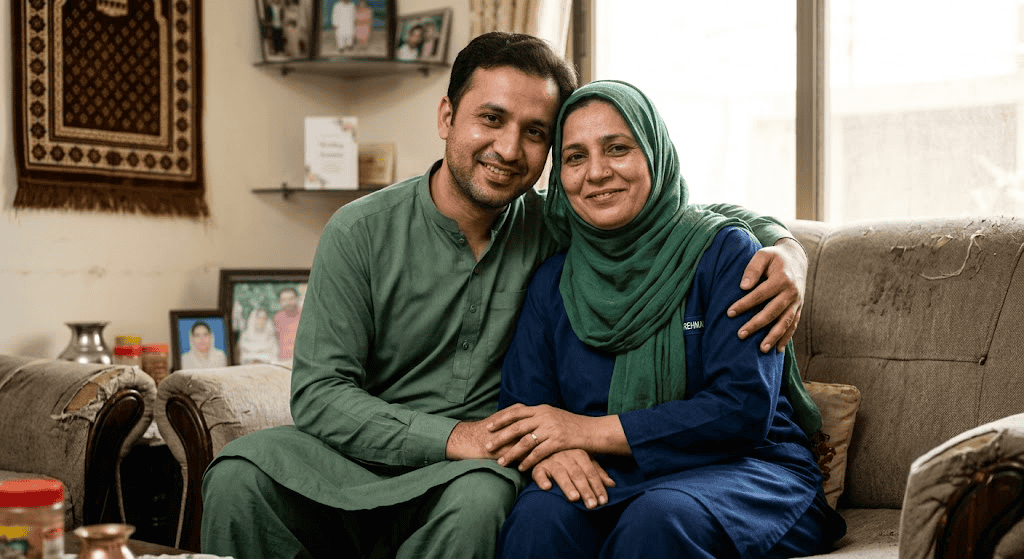
For caregivers and loved ones, supporting a stroke survivor is both a profound act of love and a significant undertaking. Your support can make a real difference in the survivor’s recovery and wellbeing, but it is important to approach it thoughtfully and to care for yourself too.
Being patient, encouraging, and supportive helps the survivor through the challenges of recovery. Supporting their engagement in rehabilitation, celebrating their progress, and providing emotional support are all valuable. It is also important to understand that a stroke can bring emotional and psychological effects, and offering compassion for these is meaningful. At the same time, caregiving can be demanding, and taking care of your own wellbeing, seeking support, and not trying to do everything alone are essential. Connecting with resources and support for caregivers can help. Your steady presence, patience, and encouragement are a genuine source of strength for a loved one navigating stroke recovery, and caring for yourself allows you to sustain that support.
Maintaining Hope
Throughout the stroke recovery journey, maintaining hope is important, even amid the challenges. While recovery can be difficult and its extent varies, many survivors make meaningful progress and adapt to build fulfilling lives. The brain’s capacity to adapt, combined with dedicated rehabilitation and support, provides a real basis for hope.
Every survivor’s journey is unique, and progress may come in ways large and small. Focusing on the gains, adapting to challenges, and continuing to work toward goals all support a hopeful outlook. Many survivors find new ways to do things, adapt to changes, and rediscover meaning and joy in life. Support from professionals, loved ones, and fellow survivors can be a source of encouragement. While stroke recovery is undeniably challenging, the combination of the brain’s adaptive capacity, dedicated rehabilitation, persistence, and support offers genuine grounds for hope. Holding onto that hope, while working steadily and patiently, is an important part of the journey toward recovery and a meaningful life.
The Emotional Side of Stroke Recovery
Stroke recovery is not only a physical journey but an emotional one, and acknowledging this is important for both survivors and caregivers. A stroke can bring significant emotional and psychological effects, both from the experience itself and from the changes it may bring to a person’s life and abilities. Feelings of frustration, sadness, anxiety, or grief over changes are understandable and common.
Recognizing and addressing the emotional side of recovery is an important part of the overall journey. Emotional support, whether from professionals, loved ones, or fellow survivors, can be genuinely valuable. For some survivors, professional support for emotional wellbeing is a helpful part of rehabilitation. It is important for survivors to be compassionate with themselves and for caregivers to offer understanding for these emotional effects. Addressing emotional wellbeing alongside physical recovery supports the whole person and contributes to a more complete and hopeful recovery. Acknowledging that the emotional journey is real, and seeking support for it, is a meaningful part of navigating life after a stroke.
Adapting and Rediscovering Life
An important aspect of stroke recovery, beyond regaining function, is adapting to changes and rediscovering a meaningful life. While rehabilitation aims to help survivors recover abilities, recovery also involves finding new ways to do things, adapting to any lasting changes, and rediscovering purpose and joy. This adaptive dimension is a vital part of the journey.
Many survivors find new approaches to activities they value, discover new interests, and build fulfilling lives even amid changes. Occupational therapy and other support can help with practical adaptations for daily living. Maintaining connections, engaging in meaningful activities as able, and focusing on possibilities rather than only limitations all support this process. The human capacity to adapt and find meaning is remarkable, and many stroke survivors demonstrate resilience in building rich, purposeful lives after stroke. While the journey involves real challenges, the potential to adapt, rediscover joy, and live meaningfully is a genuine and hopeful part of stroke recovery. Focusing on this adaptive potential, alongside rehabilitation, supports a more complete and encouraging recovery journey.
Frequently Asked Questions
How long does stroke recovery take?
Recovery varies widely and often takes a long time, unfolding gradually over months or longer. Some improvement may come earlier, while other gains develop through ongoing rehabilitation and effort. Every survivor’s timeline is individual, which is why patience is so important.
Can stroke survivors regain lost function?
Many survivors regain function and make meaningful progress, particularly with dedicated rehabilitation and support. The brain’s capacity to adapt is the basis for this recovery. The extent varies by individual, but meaningful improvement is often possible with persistent effort.
Why is rehabilitation so important after a stroke?
Rehabilitation helps survivors regain function and relearn skills, working with the brain’s ability to adapt. A team of professionals provides tailored therapy addressing the specific effects of the stroke, making rehabilitation central to maximizing recovery.
How can I support a loved one recovering from a stroke?
Be patient, encouraging, and supportive, help them engage in rehabilitation, and celebrate their progress. Offer compassion for emotional effects too. Importantly, take care of your own wellbeing and seek support, as caregiving is demanding and you cannot do everything alone.
The Value of a Strong Support Network
Throughout the stroke recovery journey, a strong support network is invaluable for both survivors and caregivers. Recovery is a demanding process, and having support from various sources helps survivors stay motivated and caregivers sustain their efforts. This network can include healthcare and rehabilitation professionals, family and friends, and connections with others who understand the experience.
For survivors, support provides encouragement, practical help, and emotional connection through the ups and downs of recovery. Connecting with fellow stroke survivors can be particularly meaningful, offering understanding and shared experience. For caregivers, support is equally important, as caregiving is demanding and can be isolating. Seeking support, connecting with resources for caregivers, and not trying to do everything alone are essential for sustaining care and wellbeing.
Building and drawing on this support network benefits everyone involved in the recovery journey. It provides practical assistance, emotional encouragement, and the reassurance of not facing the challenges alone. Recovery is rarely a solo endeavor, and the strength that comes from a good support network can make a real difference to both the survivor’s progress and the caregiver’s ability to provide sustained, loving support. Recognizing the value of this network, and actively building and using it, is an important part of navigating stroke recovery well.
The Bottom Line
Stroke recovery is a challenging but often hopeful journey, one that requires patience, persistence, and support. Understanding that the effects of a stroke depend on the area of the brain affected, and that the brain has a remarkable capacity to adapt, provides the foundation for recovery through rehabilitation. Progress is often gradual and individual, but many survivors make meaningful gains and build fulfilling lives. For survivors and caregivers alike, patience, persistence, dedicated rehabilitation, and strong support are key, as is maintaining hope throughout. Whether you are a survivor or supporting a loved one, know that recovery is often possible, that support is available, and that the road ahead, while challenging, can lead to meaningful improvement and a life of continued purpose.
This article is for informational purposes only and is not a substitute for professional medical advice. Always consult qualified healthcare providers about stroke recovery and rehabilitation. If you suspect someone is having a stroke, seek emergency medical attention immediately.